A bird cage is your pet's personal castle. A poorly designed cage setup can cause bumblefoot (pododermatitis), accidental injury, or chronic stress. Here is how to create a balanced, safe, and stimulating environment.
1. Say No to Uniform Plastic Dowels
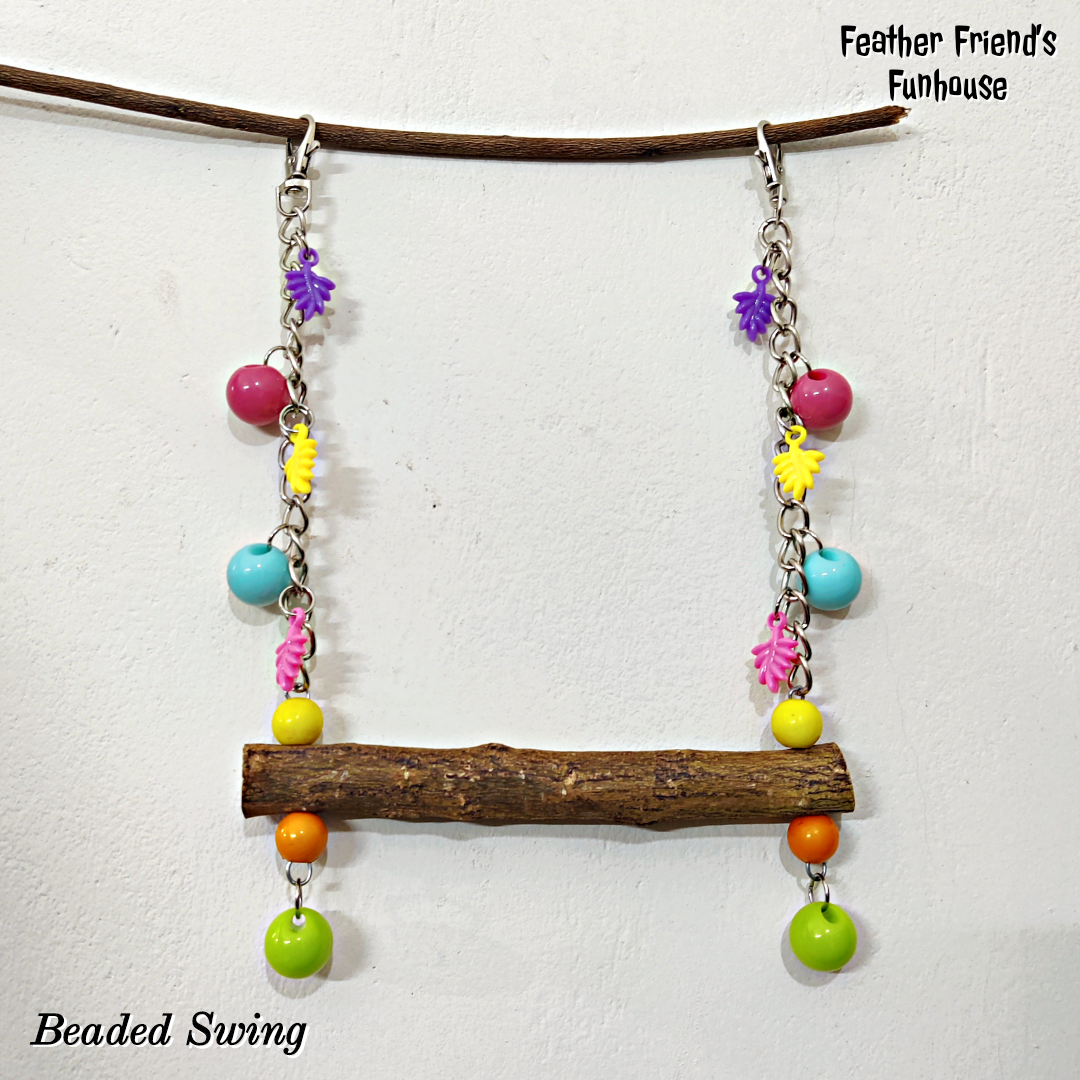
Standard plastic or sanded smooth dowel perches force birds to grip the exact same diameter 24 hours a day, causing pressure sores on the soles of their feet. Instead, use natural branch perches of variable thickness. Natural neem branches have varying bark textures and diameters that continuously exercise foot joints.
2. The Three-Zone Rule for Cages
- Resting / Sleeping Zone (Top): The highest perch in the cage should be a comfortable swing or thick natural branch where the bird feels secure roosting at night.
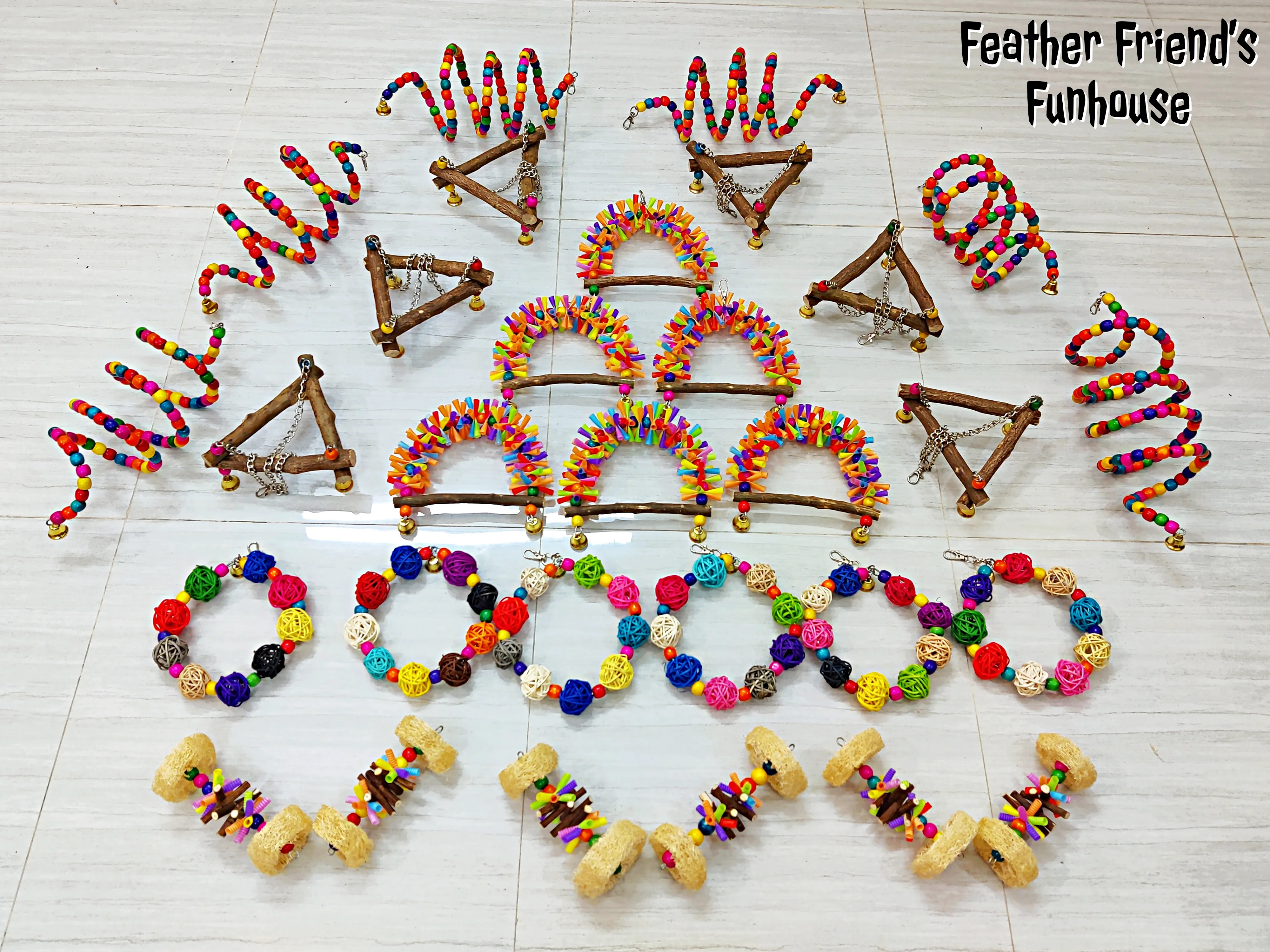
- Activity / Play Zone (Middle): Hang ladders, chew towers, and foraging mats in the center with plenty of flight clearance.
- Feeding Zone (Lower / Accessible): Keep food and water dishes away from the areas directly underneath perches to prevent fecal contamination.